Redefining online reservations via systemic accessibility-compliant flows & designs
UX Research
Front Office Manager
Branding & Marketing
Service Designer
DS Designers
Developers
Analytics
About
Sokos Hotels is Finland’s largest hotel chain, operating since 1974 and owned by S-Group (SOK) in partnership with Radisson SAS. Its portfolio spans four brands — Original, Break, Solo, and Heymo, serving business and leisure travellers.
Challenge
Sokos Hotels set out to modernise its digital ecosystem, including the booking experience across web and mobile. While customers could book and manage reservations online, many found it easier to call customer support than to use the website.
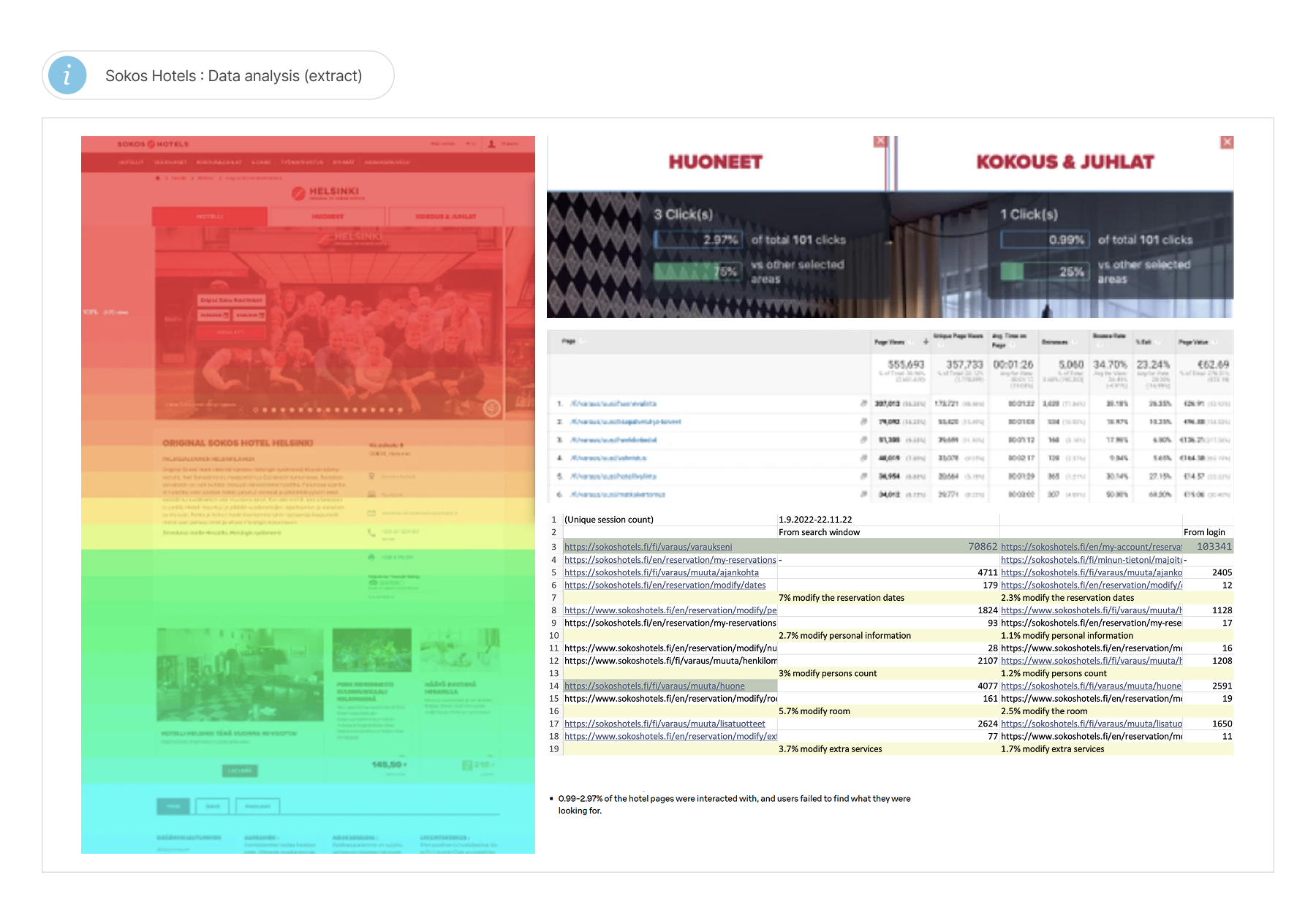
Approximately 55% of reservation changes and bookings were handled via customer support — creating unnecessary operational costs and a clear signal that the digital experience wasn’t working hard enough. This resulted in:
Solution
I led the redesign of the end-to-end booking and reservation management experience across web and native mobile. The goal was straightforward: make the digital experience easier than calling support.
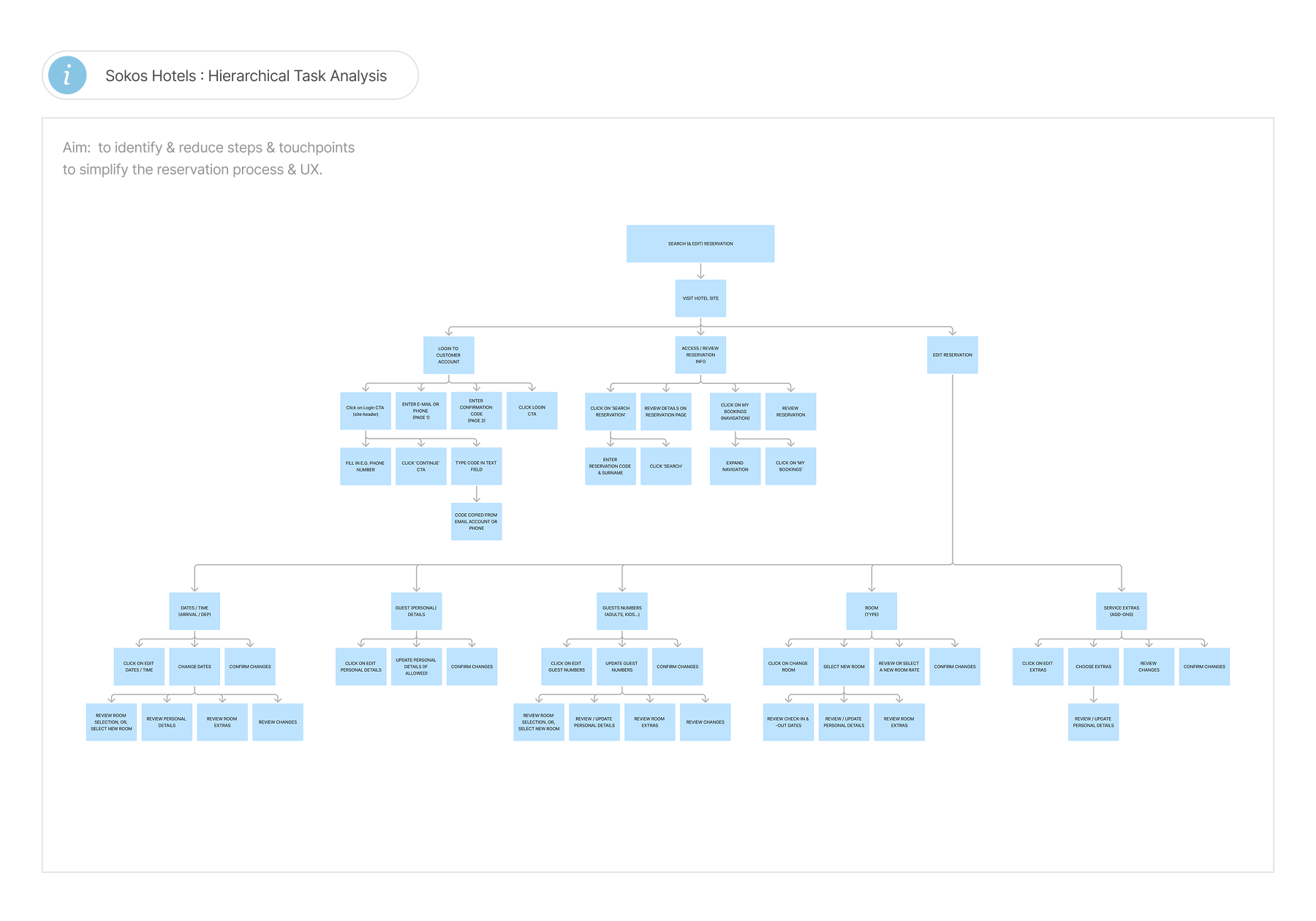
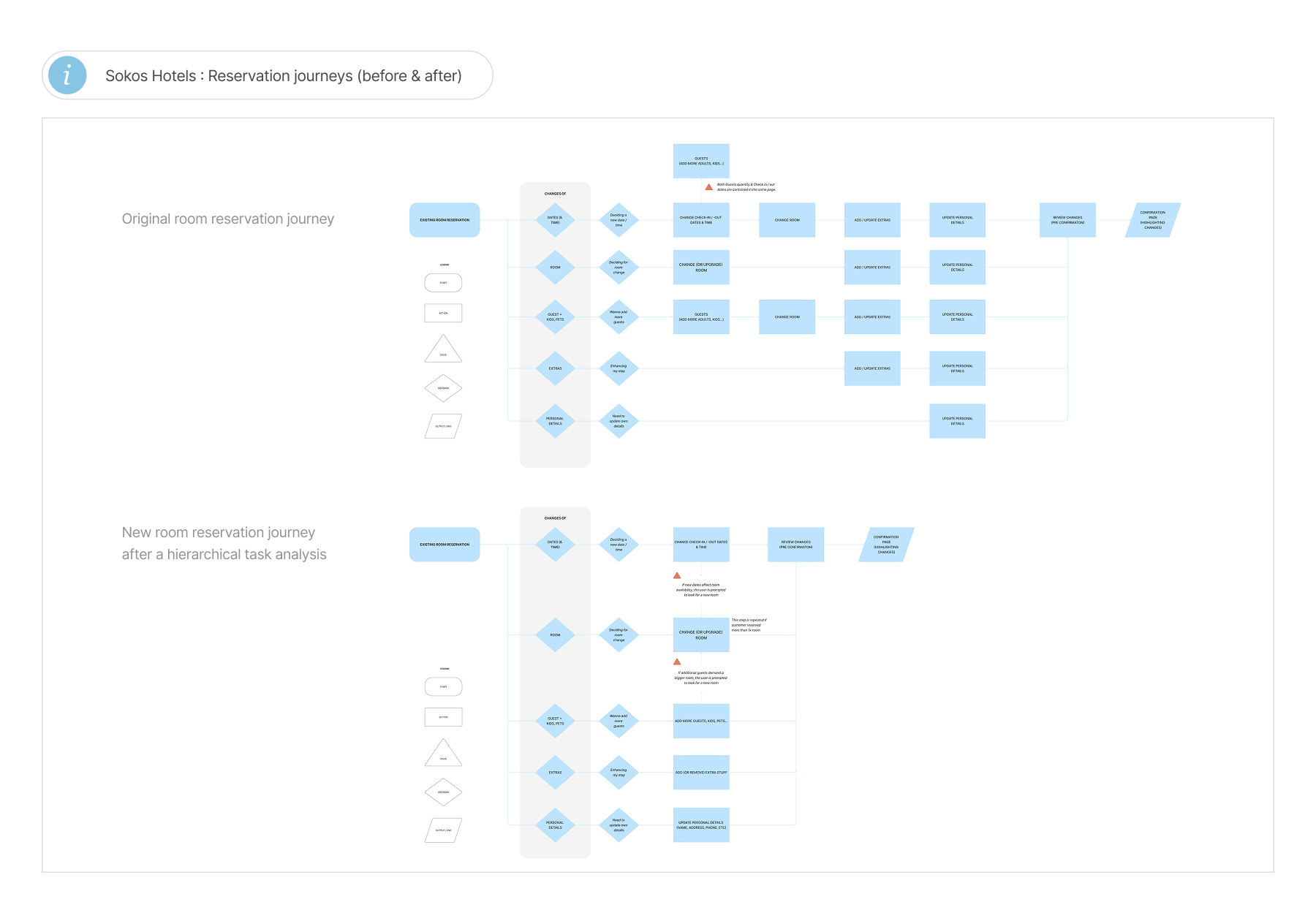
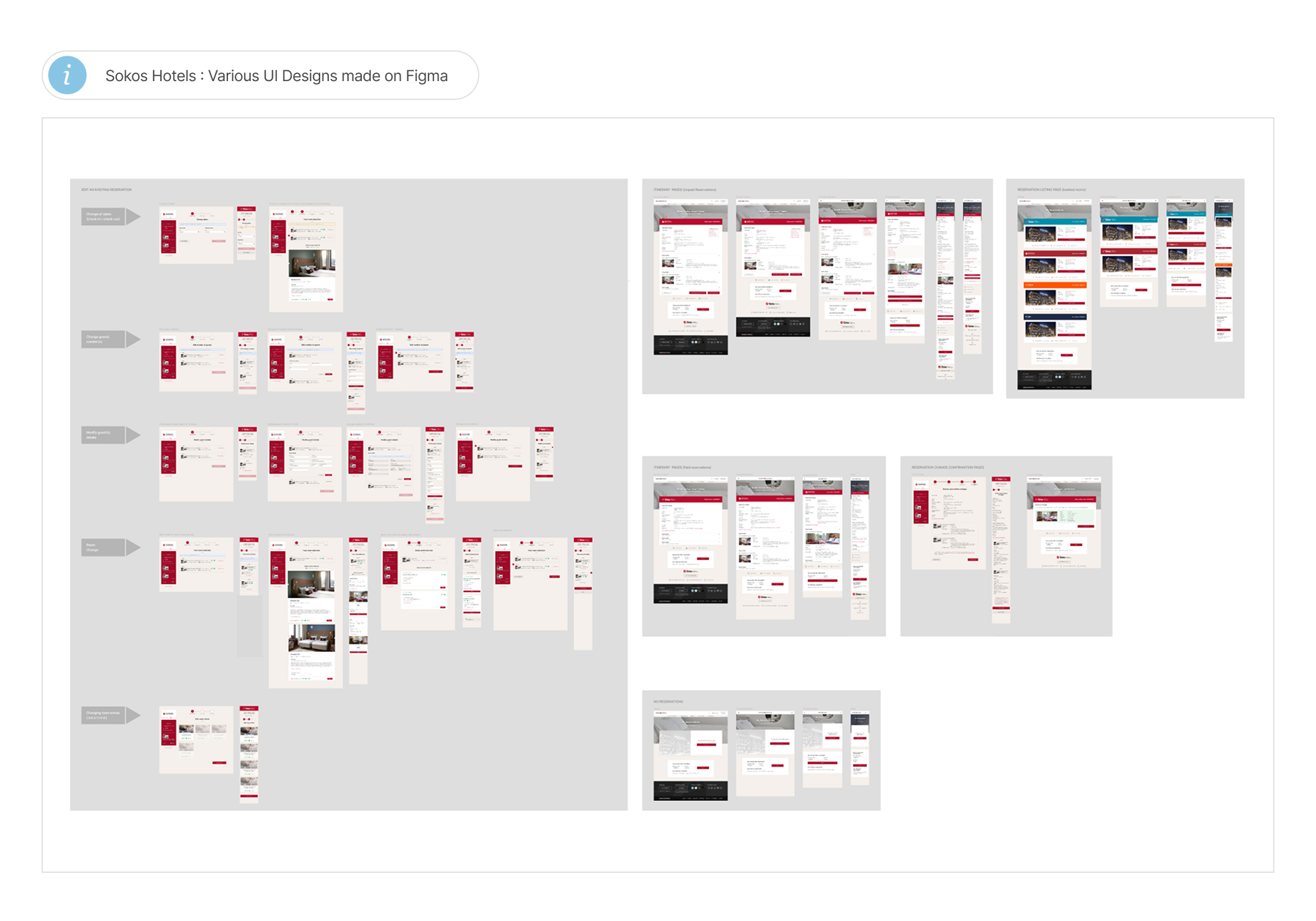
The solution simplified booking management by improving the architecture, reducing unnecessary steps and touchpoints, and making critical actions easier to find and complete, particularly around editing a reservation, which emerged as the sharpest pain point.
Alongside the product work, I collaborated on evolving a shared multi-brand Design System to ensure consistency, accessibility, and scalability across Sokos Hotels’ four-brand digital ecosystem.
The redesign increased digital adoption, reduced support dependency, and delivered a more efficient experience for both customers and the business.
Impact
Award:
Best Booking UX
(Grand One design event, 2025)
Nomination:
Best Design System
(Grand One design event, 2023)
My Role
I joined Sokos Hotels to lead the UX redesign of the booking experience, working within a cross-functional team spanning Product, Service Design, Engineering, QA, Analytics, Brand, and Customer Operations. My responsibilities included:
Obtaining a first-hand understanding of the issue
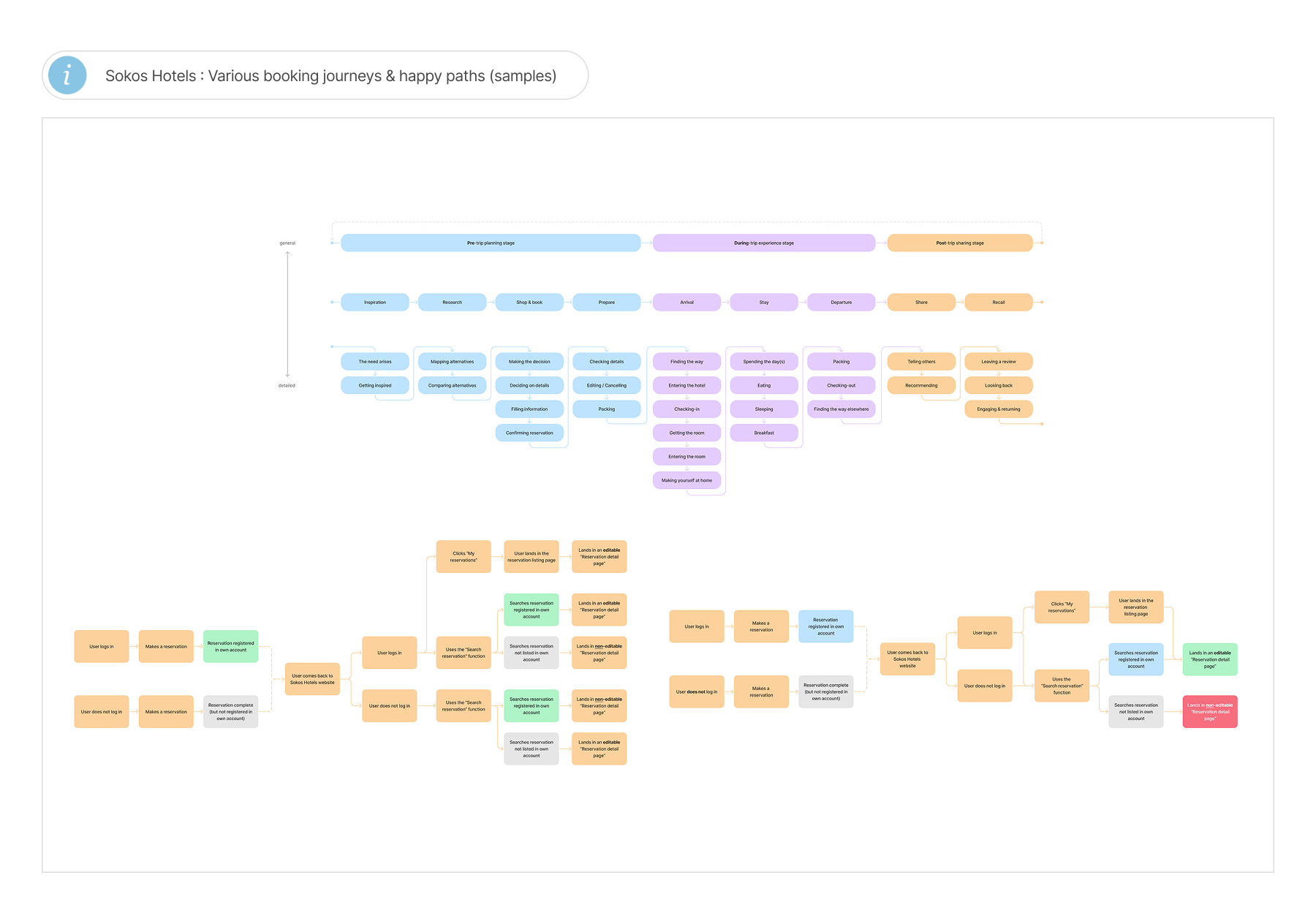
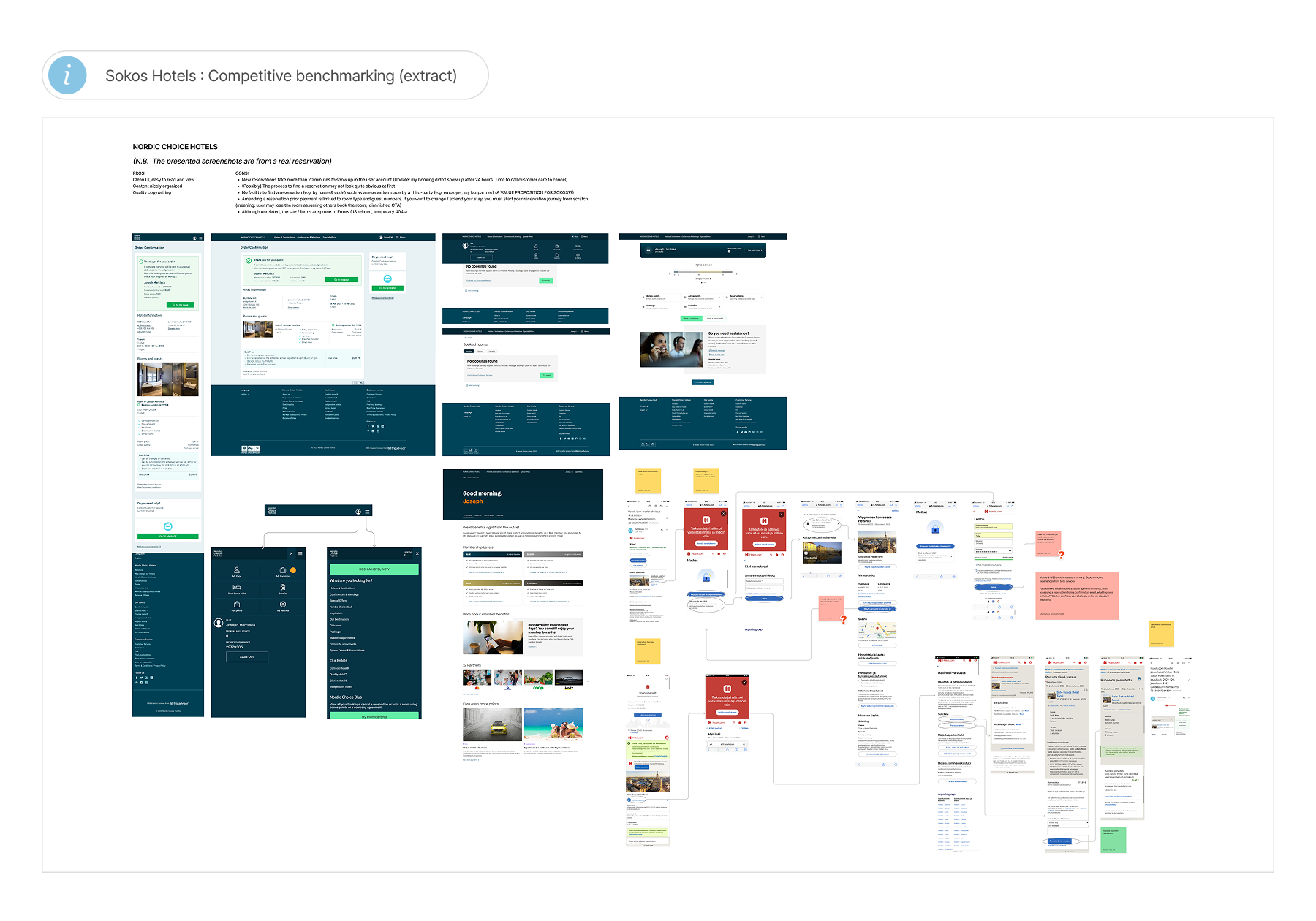
The project started with aligning on business objectives and success metrics before going anywhere near design. To understand the experience first-hand, I made an actual room reservation at one of the hotels — acting as a customer before reviewing analytics, support data, and customer feedback.
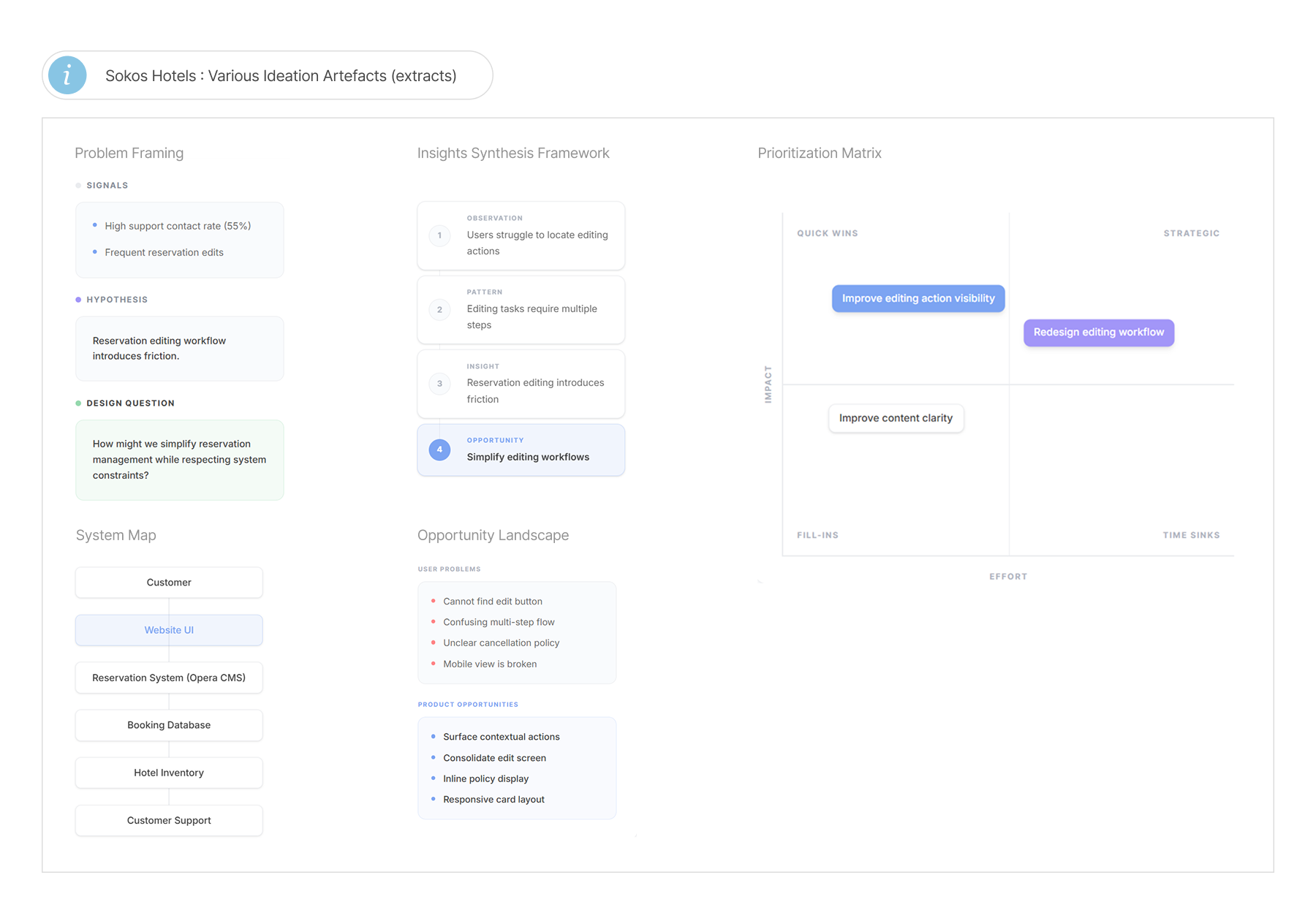
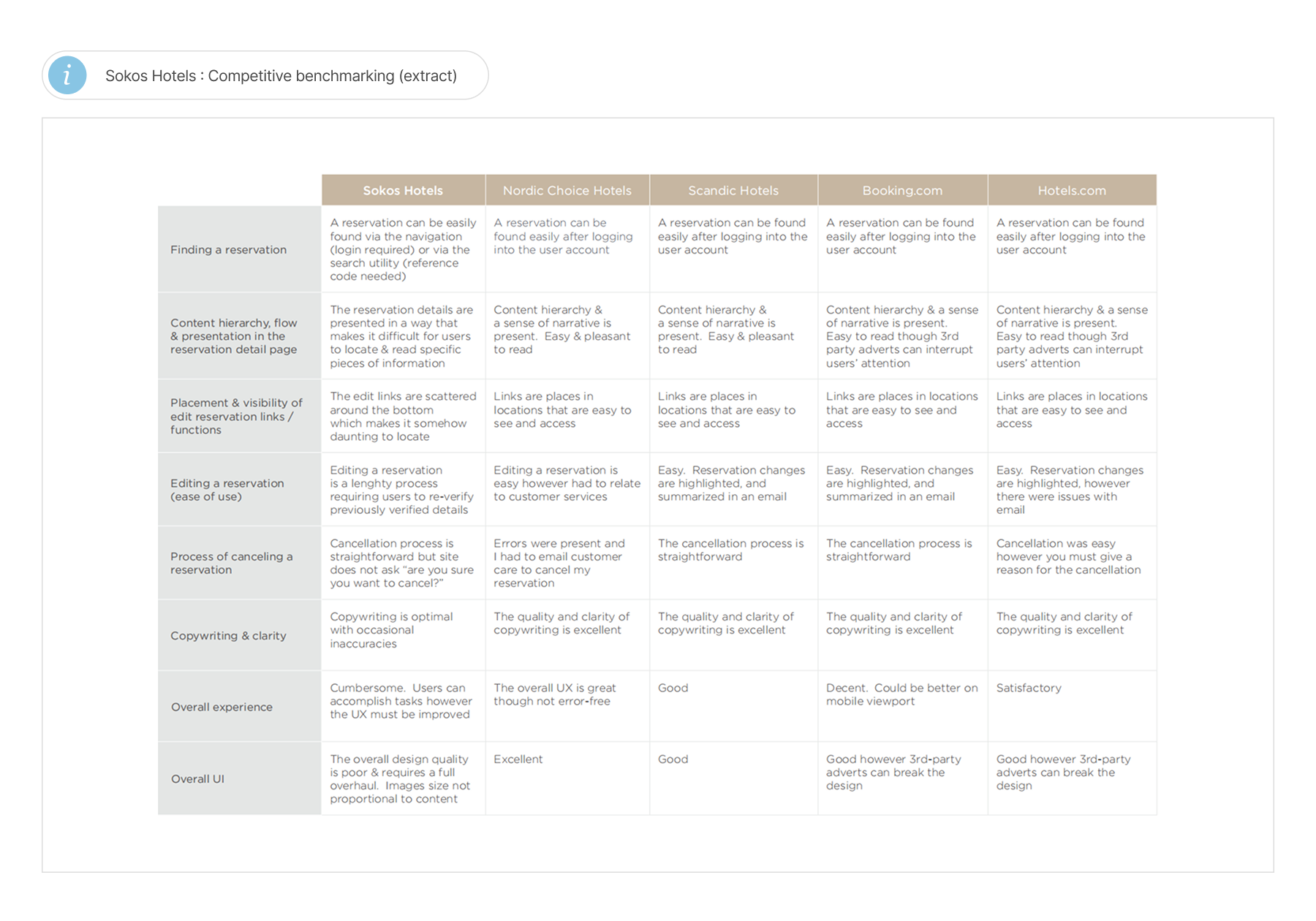
From there, I worked closely with the customer care team and a Front Office Manager to map where friction was occurring across the reservation lifecycle. A clear pattern emerged: Customers struggled with reservation edits and locating key booking information, requiring more effort than simply calling support.
That insight reframed the project. The focus shifted from improving the booking funnel to designing a complete self-service experience across the entire reservation lifecycle.
Solving key issues from the ground up
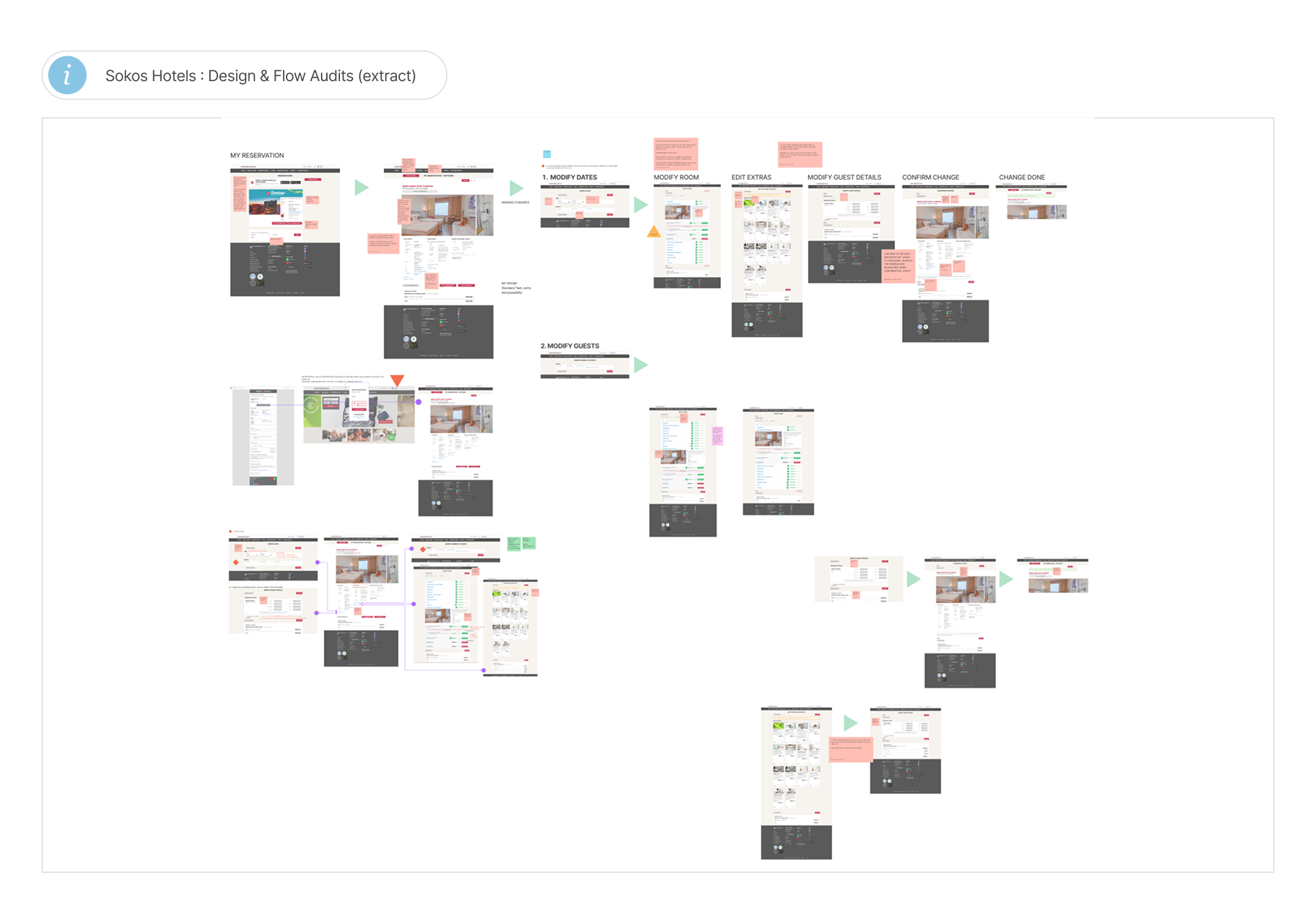
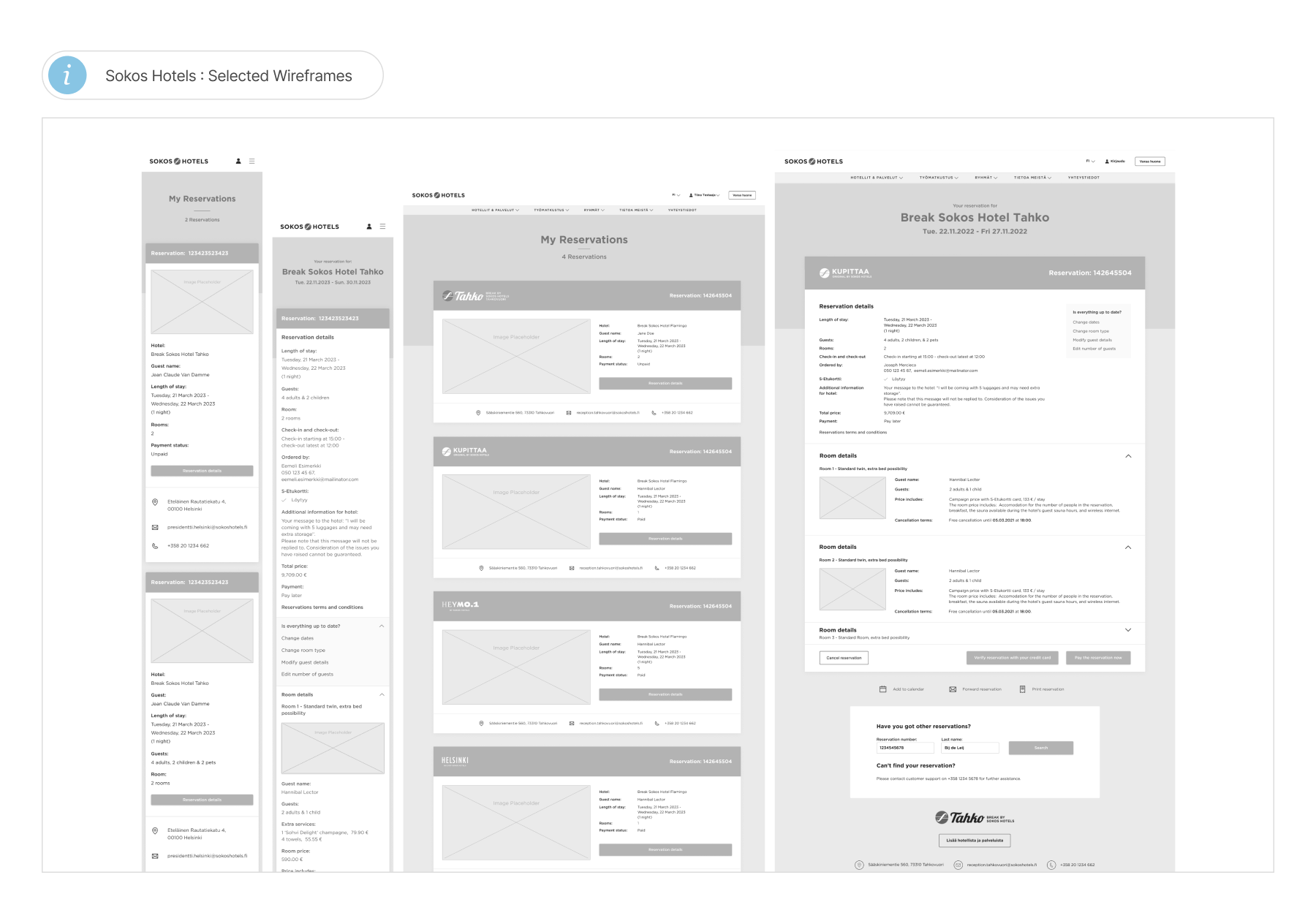
With the problem clearly defined, the design work focused on reducing friction while preserving the branding identity. I explored multiple directions to simplify booking creation, reservation management, pricing visibility, and editing workflows by testing concepts with stakeholders and developers throughout the process after deep audits.
Several principles guided the work:
Redefining the booking experience
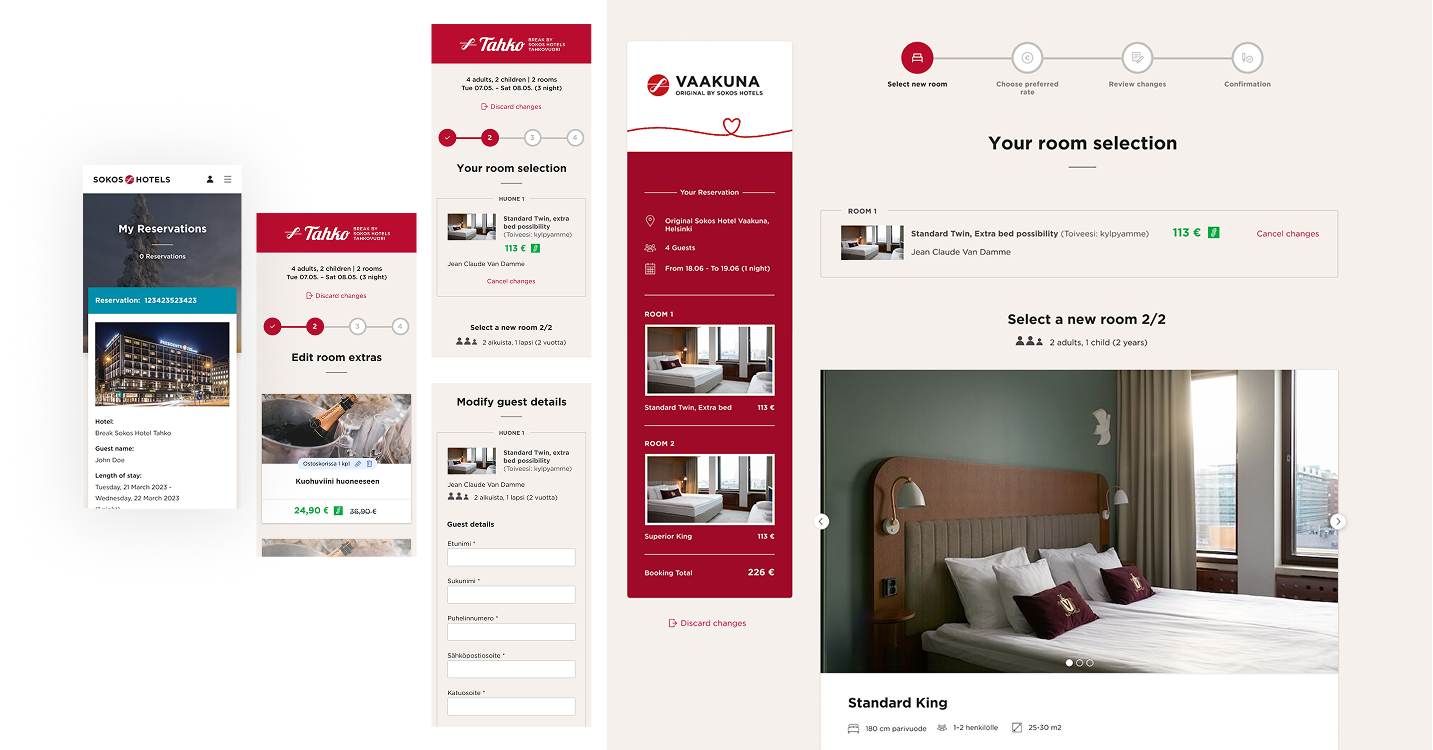
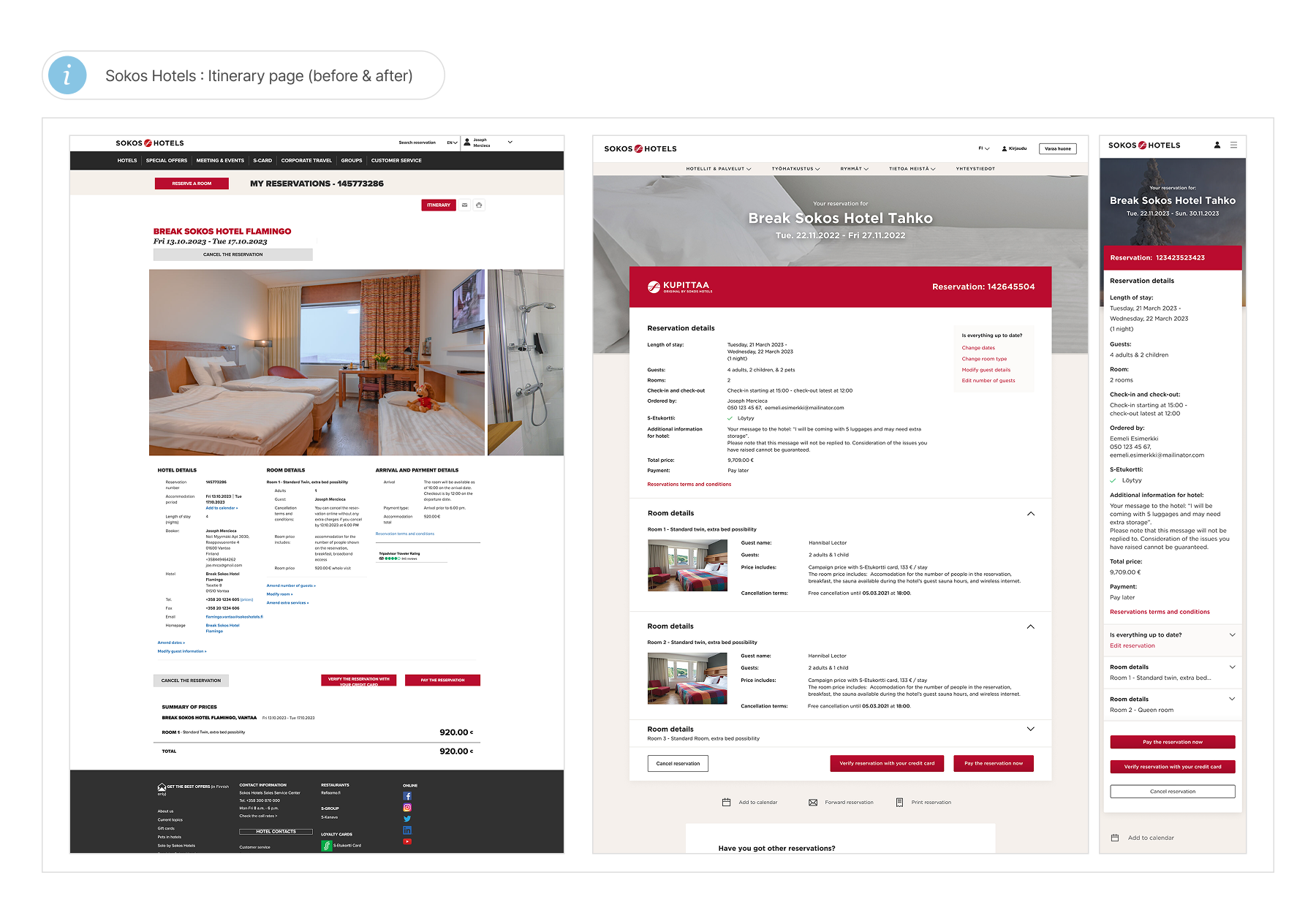
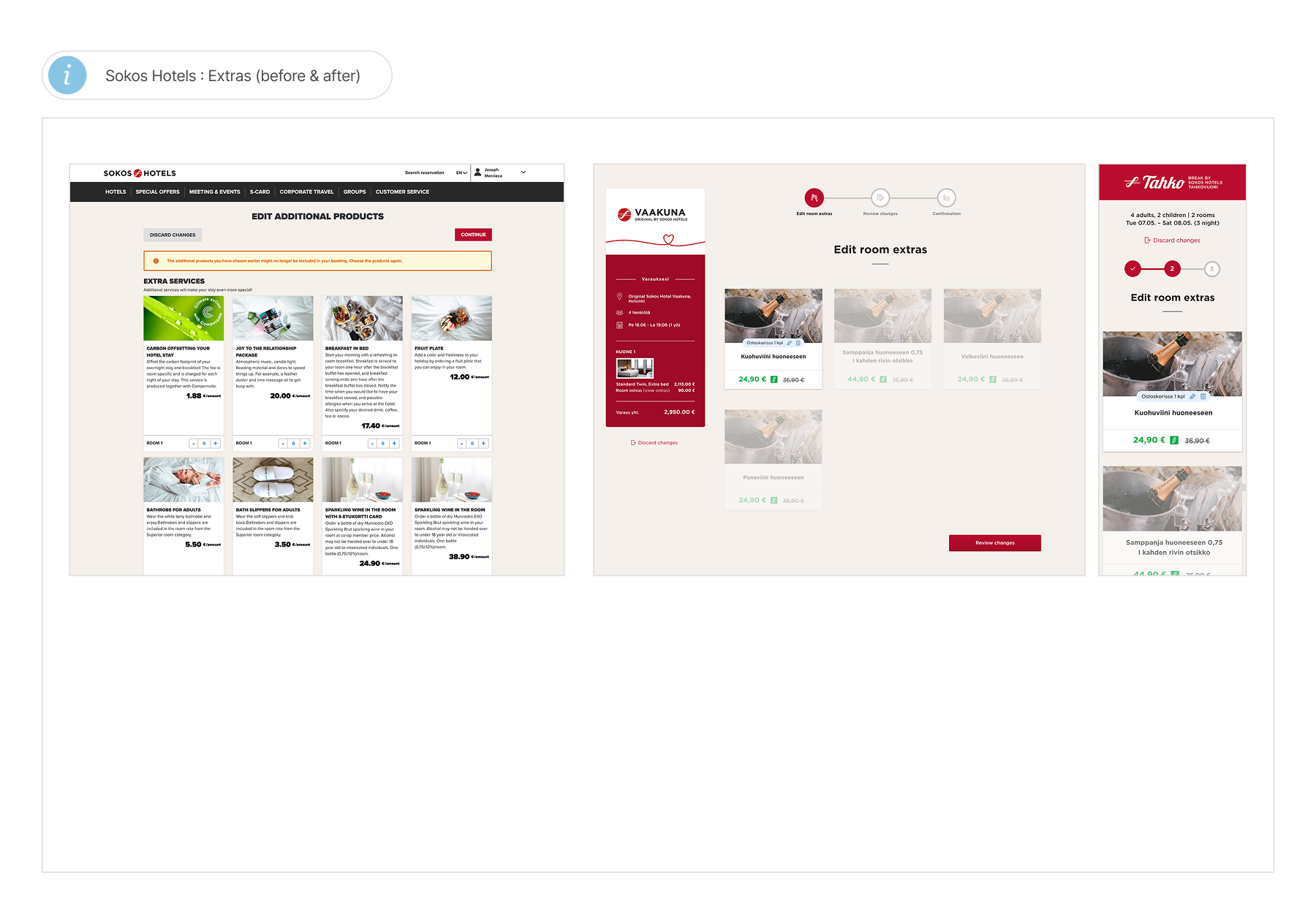
The final experience delivers a streamlined booking platform across web and mobile. Customers can complete reservations and manage existing bookings through a simplified journey with fewer steps and clearer decision points.
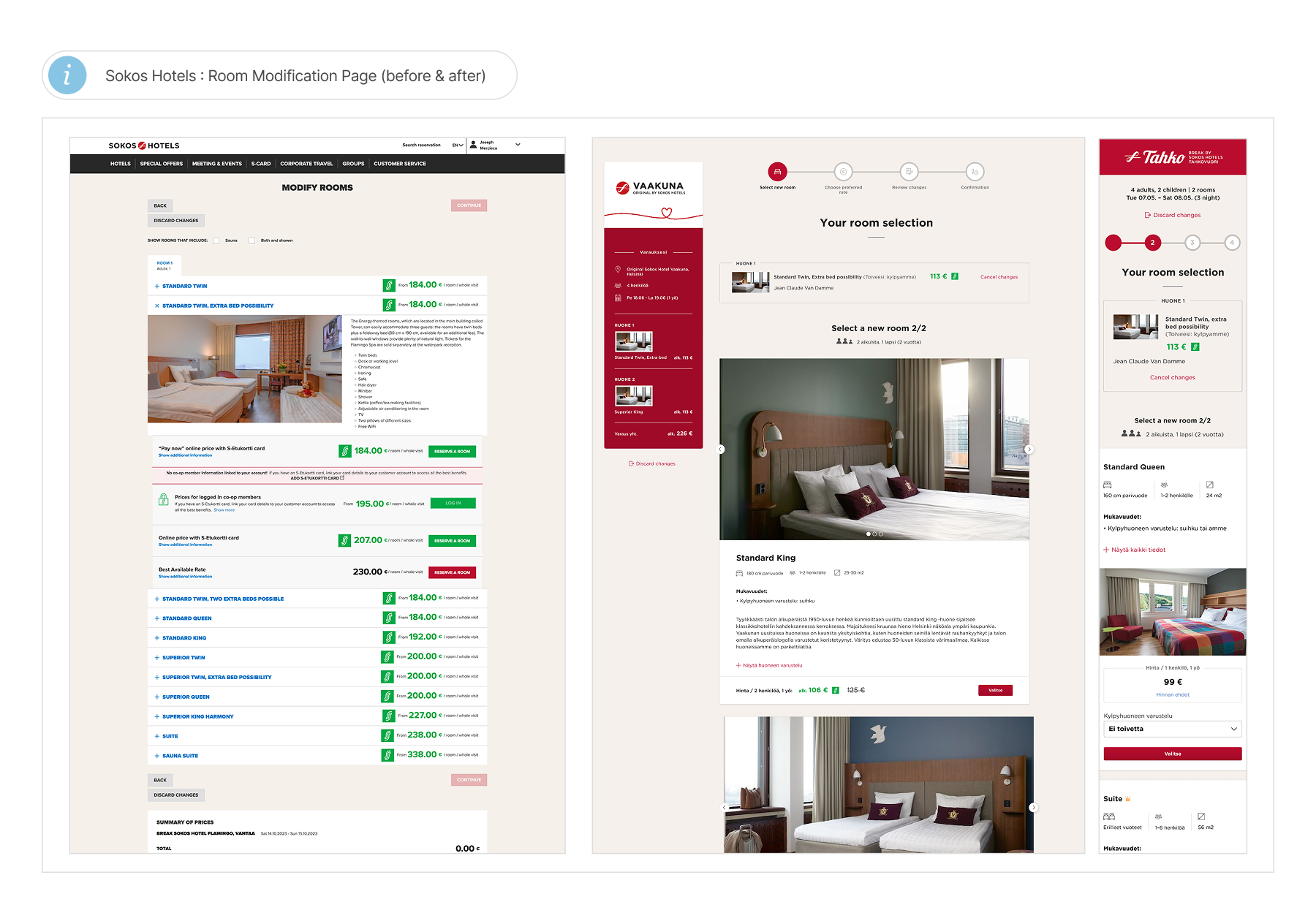
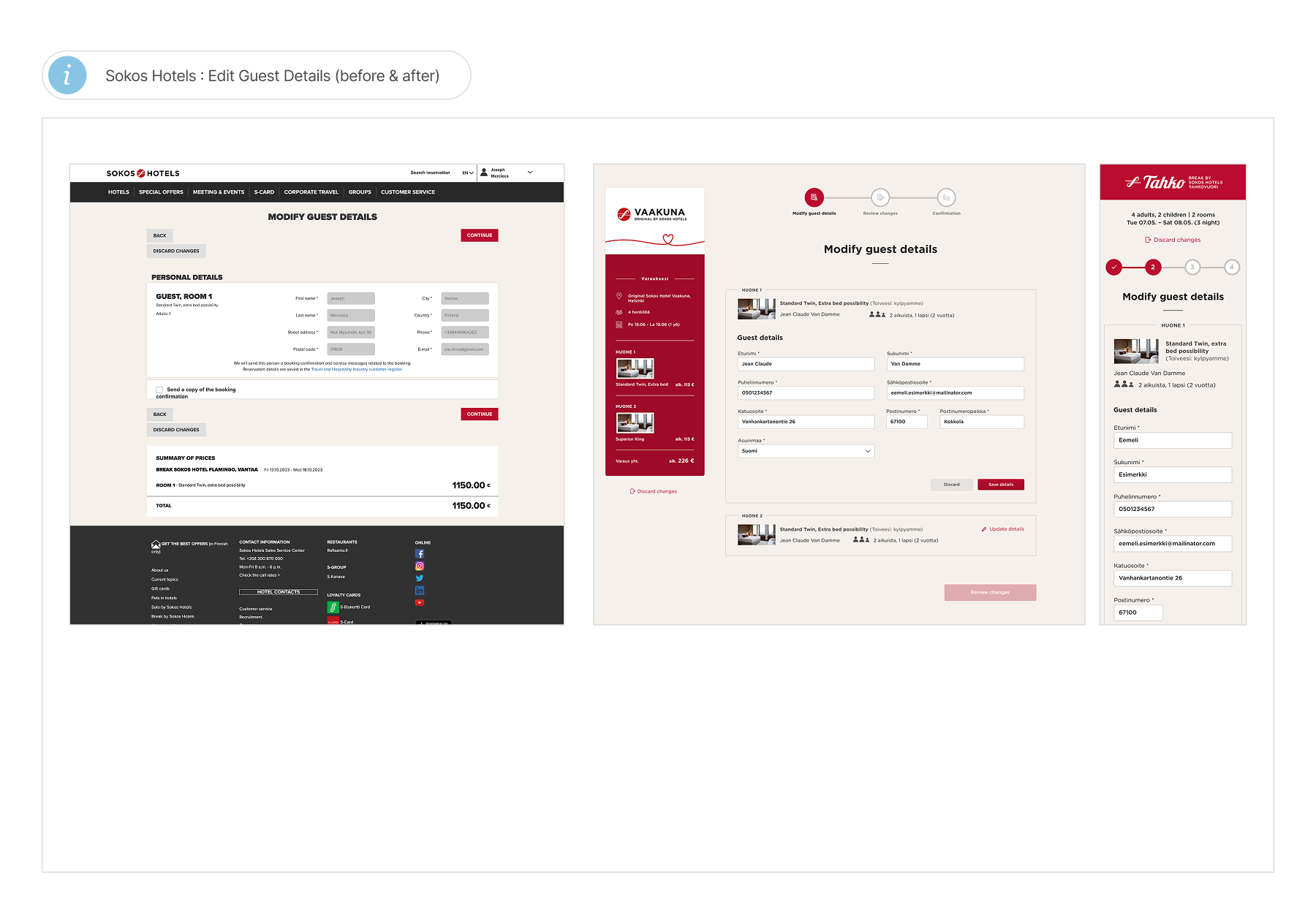
Reservation management, the primary pain point, received the most significant attention. Common actions like modifying bookings were redesigned to be completable without any need for support assistance.
To address the critical pain point, Common actions like modifying bookings were redesigned to be completable without any need for support assistance.
Design System
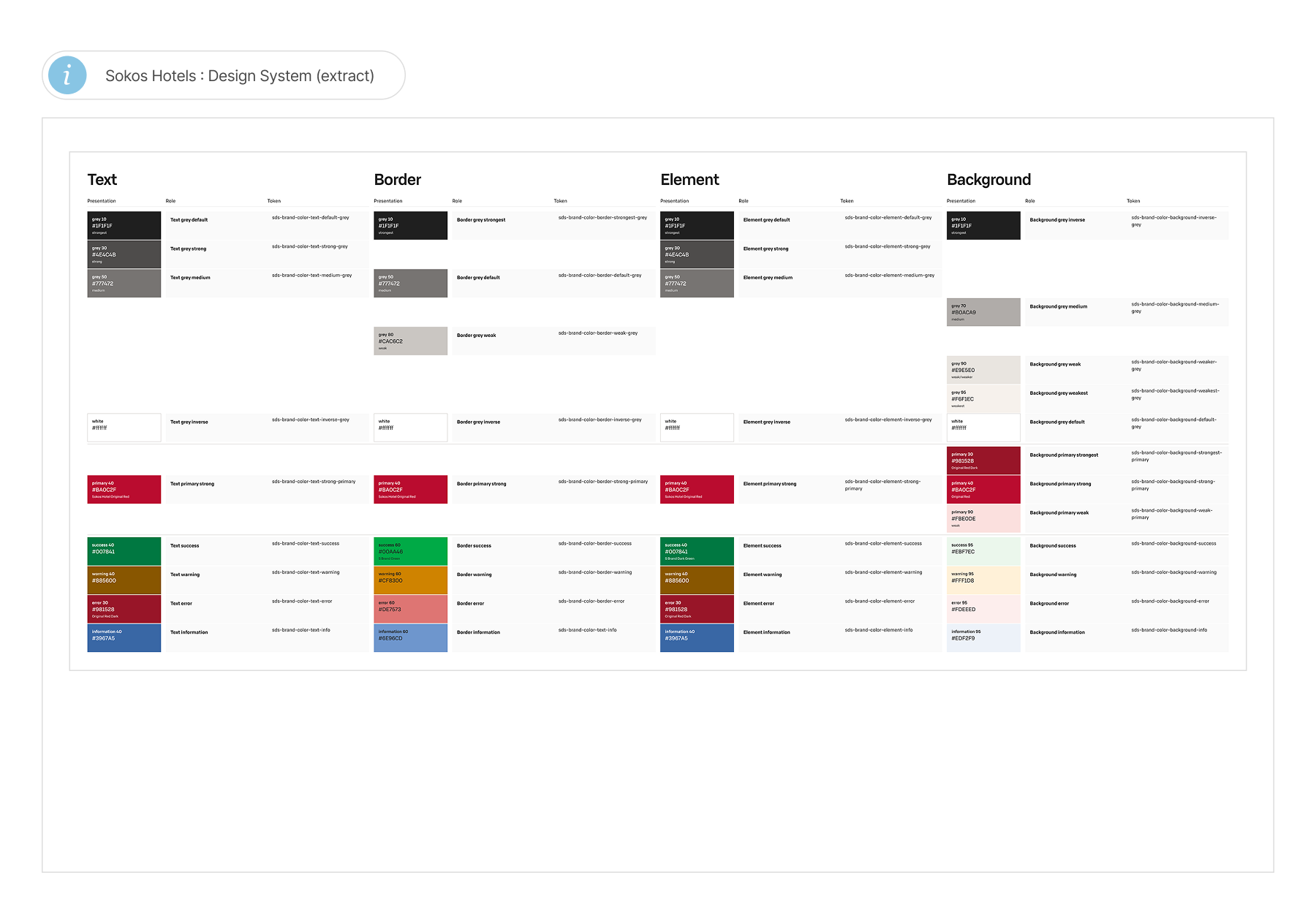
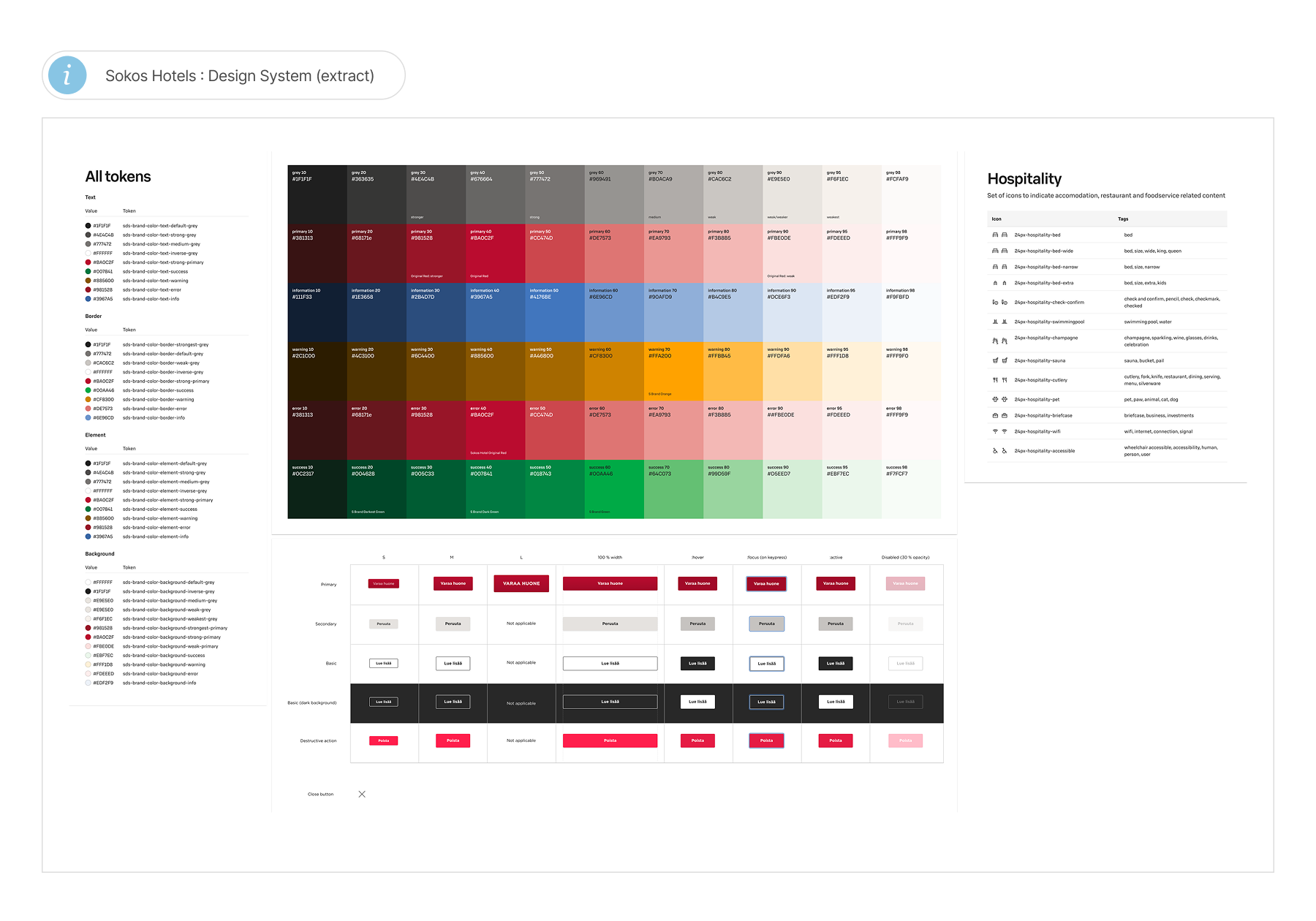
In parallel, I collaborated with the organisation’s Design System team to evolve a shared multi-brand system. My contributions covered component structure, design tokens, iconography, and accessibility reviews, ensuring alignment with WCAG Level AA conformance.
The system underpins consistency across Sokos Hotels’ four brands while supporting long-term scalability across S-Group’s broader digital product portfolio.
Validation & what users say
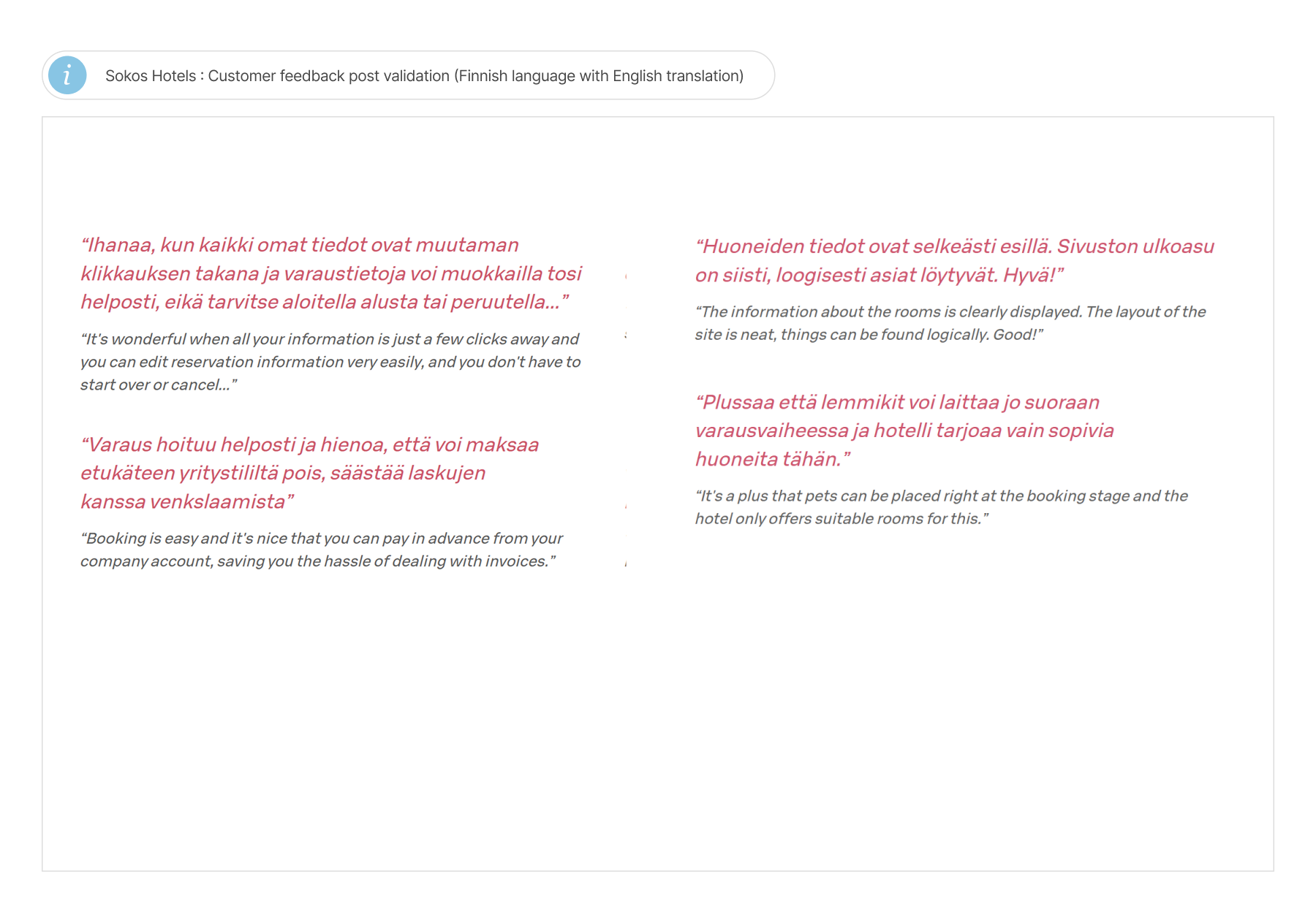
Concepts were reviewed continuously with stakeholders before moving into moderated usability testing with customers. Testing centred on booking completion, reservation management, and edit workflows — with particular attention to perceived effort and user confidence throughout.
Participant feedback drove several rounds of iteration across navigation, content hierarchy, interaction flows, and booking states before designs were handed off for implementation.